News · BJJ
IBJJF Brasileiros 2026 Finals: The Next Seminar Superstars Are Already Here
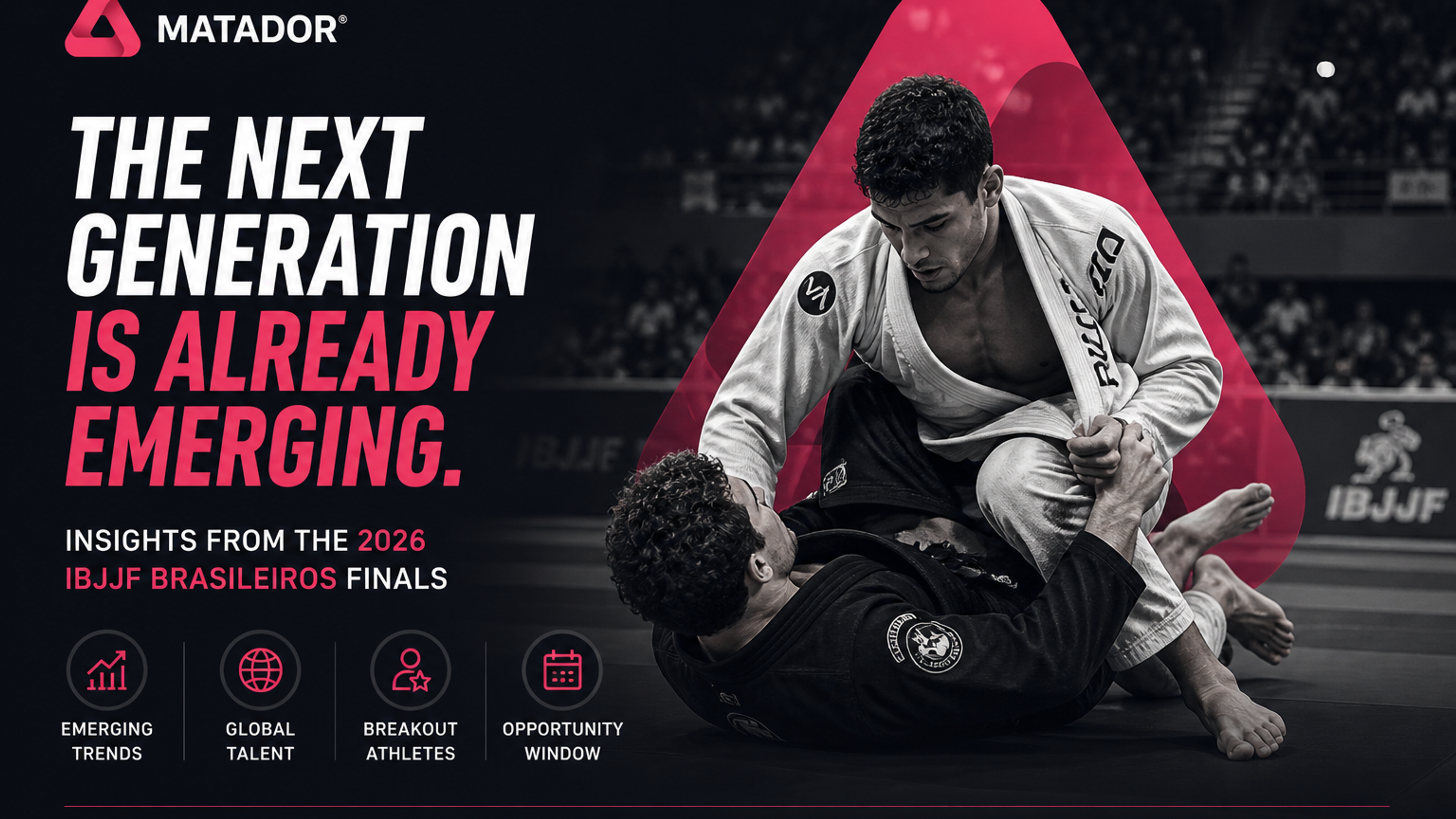
The 2026 IBJJF Brasileiros finals didn’t just confirm who is already at the top, they exposed how deep the next wave of talent really is.
While attention often gravitates toward established names, this year’s results made something clear: the real opportunity sits just below the surface, in athletes who are already medalling but haven’t yet been fully priced into the global spotlight.
Across the adult black belt divisions, a number of lesser-known competitors quietly put themselves on the map. In the roosterweight division, Raimundo Ítalo Pereira de Almeida claimed gold, edging past a field that included names with far more recognition. His performance wasn’t built on explosiveness alone but on composure and efficiency, traits that tend to translate extremely well into teaching environments. Just behind him, silver medallist Welerson Gonçalves da Silva and bronze medallists like Andrew Soares dos Santos showed that the depth in lighter divisions is becoming increasingly competitive, with multiple athletes capable of breaking through internationally.
The featherweight division followed a similar pattern. Rerisson dos Santos Gabriel secured gold, but the story wasn’t dominance - it was parity. Athletes like Shoya Ishiguro, who reached the podium, demonstrated the growing internationalisation of the sport. The presence of competitors from outside Brazil consistently placing at this level signals that the pipeline is no longer regional - it is global.
In the middle and medium-heavy divisions, where more established names often control the narrative, there were still signals worth paying attention to. While Tainan Dalpra continues to operate at an elite level, athletes like José Steve Nduazulu Ndilu, who reached the final, highlight how rapidly the talent pool is expanding geographically. This is not just depth, its diversification. Competitors are emerging from regions that historically had limited representation at this level, and they are closing the gap quickly.
The heavier divisions reinforced the same trend. Leonardo Silveira Ferreira and Vinicius Liberati both secured gold in their respective categories, but the more interesting takeaway sits with the bronze and silver medallists, names like Harryson Santana Pereira and Gabriel de Sousa Ribeiro, who are consistently appearing in podium positions without yet commanding widespread recognition. These are the athletes operating in the gap between elite performance and market awareness.
On the women’s side, the same pattern is even more pronounced. While dominant champions like Gabrieli Pessanha continue to headline divisions, the supporting podium reveals a fast-growing layer of talent. Competitors such as Thais Loureiro Felipe and Giovanah Oliveira da Silva are consistently placing and gaining experience at the highest level, positioning themselves for rapid progression over the next competition cycle.
What makes this stage of the Brasileiros particularly valuable is timing. This event sits in a critical position within the competitive calendar, just before athletes begin to transition into larger global narratives tied to events like the ADCC cycle or superfight circuits. At this point, the athletes who have medalled are already proven, but they have not yet been fully absorbed into the broader commercial ecosystem. That gap between performance and recognition - is where the real leverage exists.
The mistake most people make is focusing only on winners who are already well-known. By the time an athlete becomes a headline name, their accessibility drops and demand pricing increases significantly. What this year’s Brasileiros highlighted is that the smarter move is to track consistency rather than fame. Athletes who are repeatedly placing - whether gold, silver, or bronze - are often only one or two performances away from breaking into the global tier.
The evolution of Brazilian Jiu-Jitsu is no longer just about identifying the best athlete in the world. It is about understanding where the next level of demand will come from before it becomes obvious. The 2026 Brasileiros didn’t just showcase champions - it exposed a much larger pool of competitors who are already operating at an elite level, waiting for the moment when the rest of the market catches up.
For those paying attention, that moment hasn’t happened yet.